Mental Health Substance Use Worksheets Results
Updated 2019 ANGER - Substance Abuse and Mental Health Services ...
Anger Management for Substance Use Disorder and Mental Health Clients: A Cognitive–Behavioral Therapy Manual. This publication is, in p art, a product of research c onducted with sup port from the National Institute on ... worksheets for completing between-session challenges, and space to take notes for each of the sessions. The concepts and ...
https://url.theworksheets.com/97zm68 Downloads
Preview and Download !
Addiction and substance use worksheets - elementalhealth.group
Exposure to substance use at a young age can. increase the risk of addiction. Social influences and peer pressure can lead to. substance use. High levels of stress and traumatic experiences can. contribute to the development of addiction. Personal Factors: Co-occurring mental health disorders, such as. depression and anxiety, can increase the risk.
https://url.theworksheets.com/d6ya45 Downloads
Preview and Download !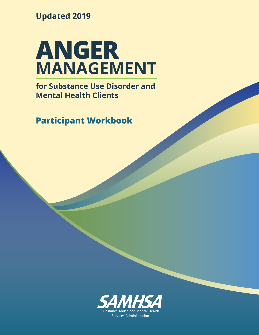

MOTIVATION AND CHANGE: RECOVERY WORKBOOK - Maltby Learning Trust
examine their motivation around addressing their substance use. It will look at what motivation actually is and then offer you a chance to explore your own motivation, either to continue using drugs/alcohol or to change. This pack is also designed to help you have a better understanding of
https://url.theworksheets.com/7qeu154 Downloads
Preview and Download !
Co-Occurring Disorders Workbook
B. I have been given a diagnosis of substance dependence and _____ . C. The symptoms I want to prevent are: D. The best ways to manage my illness are: E. People I can go to for help in following my treatment plan are: F. The most important things I need to do daily to prevent relapse and lead a healthy life are:
https://url.theworksheets.com/229z227 Downloads
Preview and Download !
Early Recovery Skills Group Handouts
solving your substance abuse problem. Remember, your rational brain plans the schedule. If you follow the schedule, you won’t use. Your addicted brain generates out-of-control behavior. If you go off the schedule, your addicted brain may be taking you back to drinking or using drugs. 4. Who decides what I schedule? You do!
https://url.theworksheets.com/5osf310 Downloads
Preview and Download !
UNDERSTANDING SUBSTANCE USE DISORDERS - WORKSHEET 1
People frequently address the physical symptoms of substance use but ignore the underlying mental and emotional connections. When those connections are neglected, it is diicult to maintain sobriety. Individuals either go back to the original substance or transfer to another kind of dependence. Because
https://url.theworksheets.com/6r2h47 Downloads
Preview and Download !
Co-Occurring Disorders Step One Worksheet - NAADAC
identifying, accepting, and treating your mental health and substance abuse issues. 19. Identify how drinking/using may have intensified your mental health symptoms (i.e., more depressed, more manic, more out of control, etc.). 20. Give examples of how your life has improved since you stopped drinking/using. 21.
https://url.theworksheets.com/4utm57 Downloads
Preview and Download !
Road Map to Recovery CBT Worksheet PDF - Carepatron
This worksheet is designed to help you explore your journey to recovery from substance. abuse through Cognitive Behavioral Therapy (CBT). Take your time to reflect and complete each section thoughtfully. Your insights will guide us in tailoring a personalized treatment plan to support your. recovery. S e c t i o n 1 : S e l f - A s s e s s m e n t
https://url.theworksheets.com/dgsh52 Downloads
Preview and Download !
Client Workbook - BrainLine
Funding for the Substance Use and Brain Injury project (Grant #G03-05465) provided through the Ontario Ministry of Health and Long-Term Care from Health Canada’s Primary Health Care Transition Fund. This material is owned by the SUBI project and may be reproduced with proper citation and without alteration for clinical use only.
https://url.theworksheets.com/7qp557 Downloads
Preview and Download !


Anger Management for Substance Abuse and Mental Health Clients ...
for Substance Abuse and Mental Health Clients . Acknowledgments. This workbook was developed for use in conjunction with . Anger Management for Substance Abuse and Mental Health Clients: A Cognitive Behavioral Therapy Manual. This publication is, in part, a product of research conducted with support from the National Institute
https://url.theworksheets.com/5ww1131 Downloads
Preview and Download !


Next results >>